Curiosity starts the lesson.
Students begin with a real question, a surprising observation or a challenge worth exploring.
Admissions open: Weekly courses, Summer Camp, Winter Camp and school innovation programs.
A complete school innovation environment where students learn to observe closely, think critically, test ideas, learn from failure and solve problems through coding, electronics, robotics, science, IoT and engineering.
The proposed solution is aligned to the Arduino Education Inspiration Lab framework. Final co-branding or official lab recognition is subject to Arduino Education approval and authorized-partner requirements.
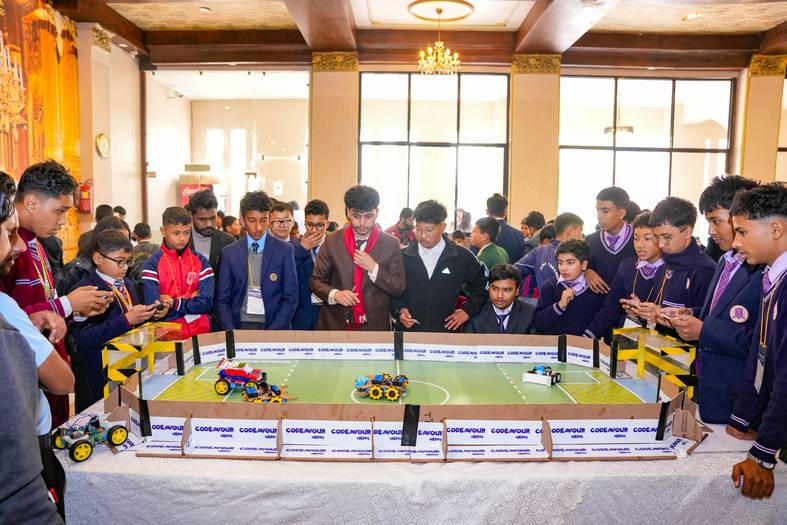
Students begin with a real question, a surprising observation or a challenge worth exploring.
Learners predict, compare, reason and choose—not simply follow instructions.
Every test helps students diagnose what happened and decide what to improve next.
Projects address school, community, sustainability and everyday human needs.
An Arduino Inspiration Lab is not a room full of boxes. It is a structured environment where tools, curriculum, space, teacher capability and student challenges work together.
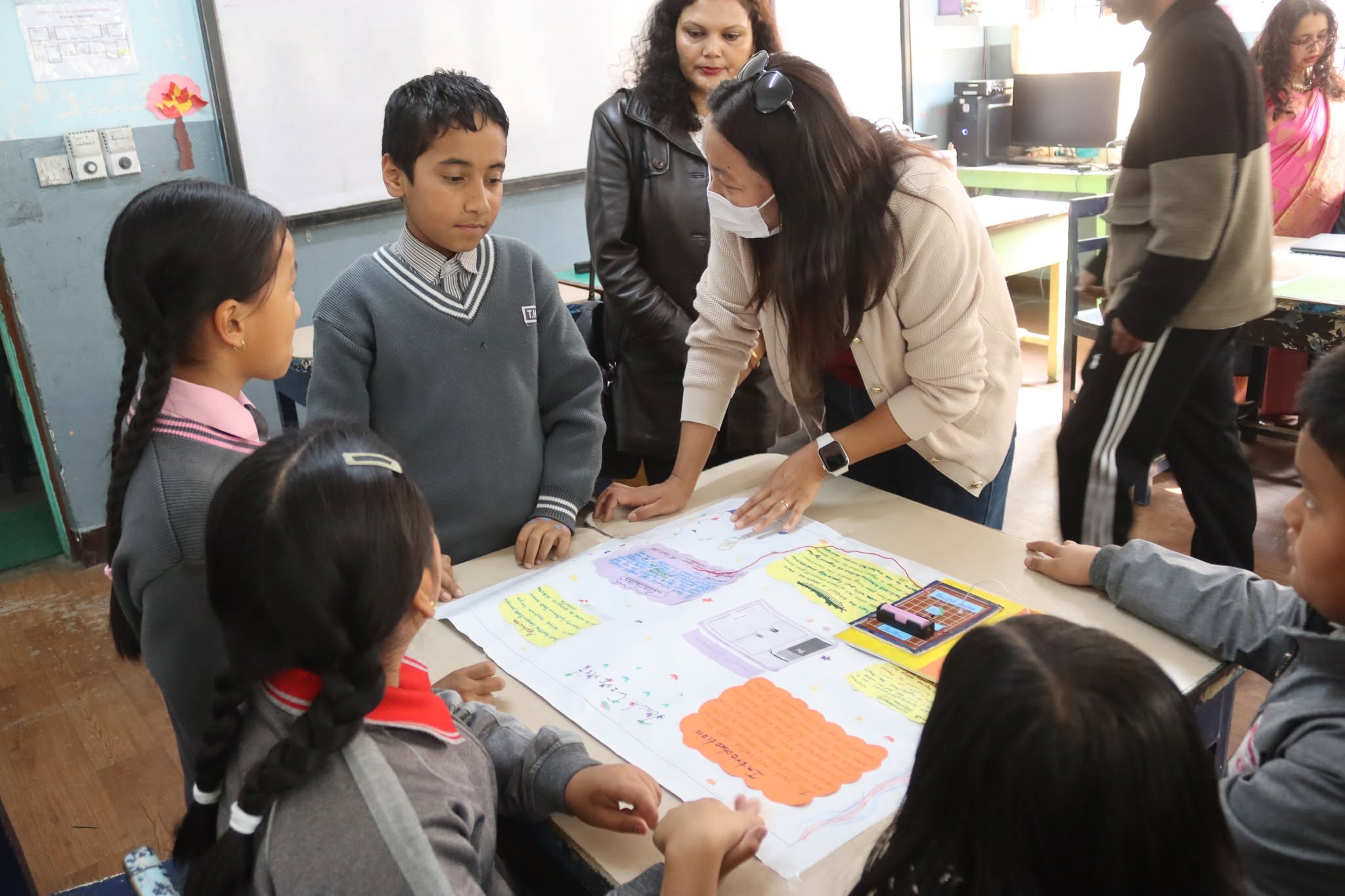
The pathway grows from curiosity and cause-and-effect to data, connected systems, advanced engineering and student-led innovation.
Build confidence through sequencing, cause-and-effect, simple machines, patterns and teacher-guided robotics demonstrations.
Move from guided exploration to hands-on robotics, sensors, measurement and simple design challenges.
Connect electronics, programming and scientific inquiry to measurable real-world questions.
Design systems that sense, communicate, automate and respond to community or environmental needs.
Apply engineering design, data, control systems, IoT and capstone methodology to complex open-ended challenges.
Each kit supports a defined learning stage and remains part of the lab’s reusable project ecosystem.

Movement, sensing and progression from visual coding to text-based control.

Individual learning in circuits, coding and open-ended project creation.
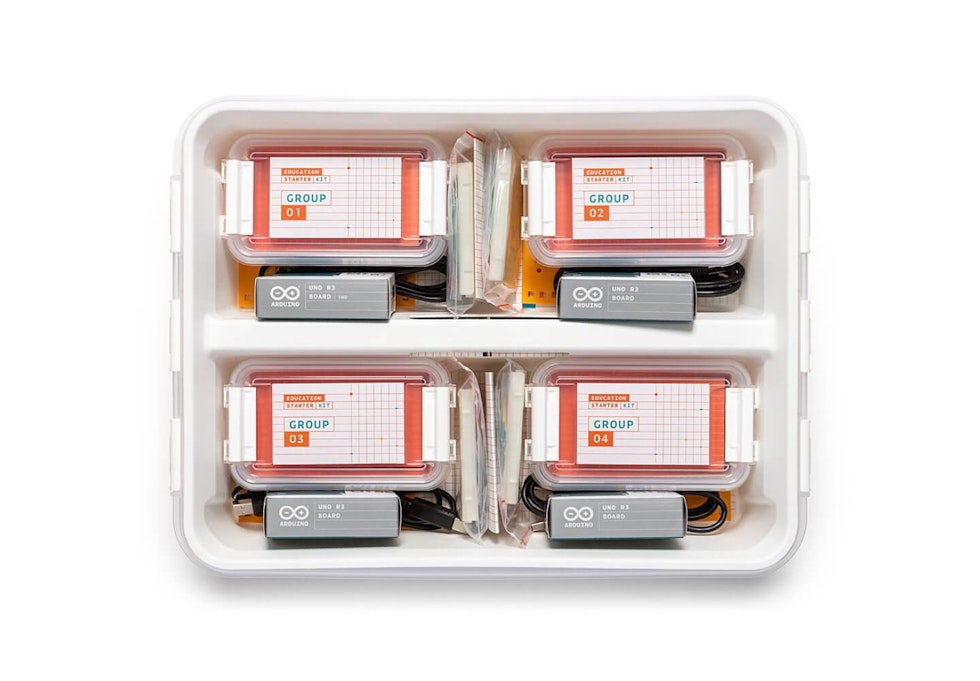
Reusable hardware and structured lessons for small-group learning.

Measure phenomena, analyze data and explain evidence through physics investigations.

High-school electronics and programming through structured invention challenges.
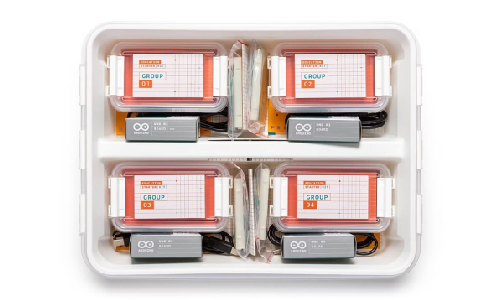
Reduce wiring complexity and let students focus on ideas, logic and fast testing.

Monitor the environment, automate responses and investigate smart agriculture.
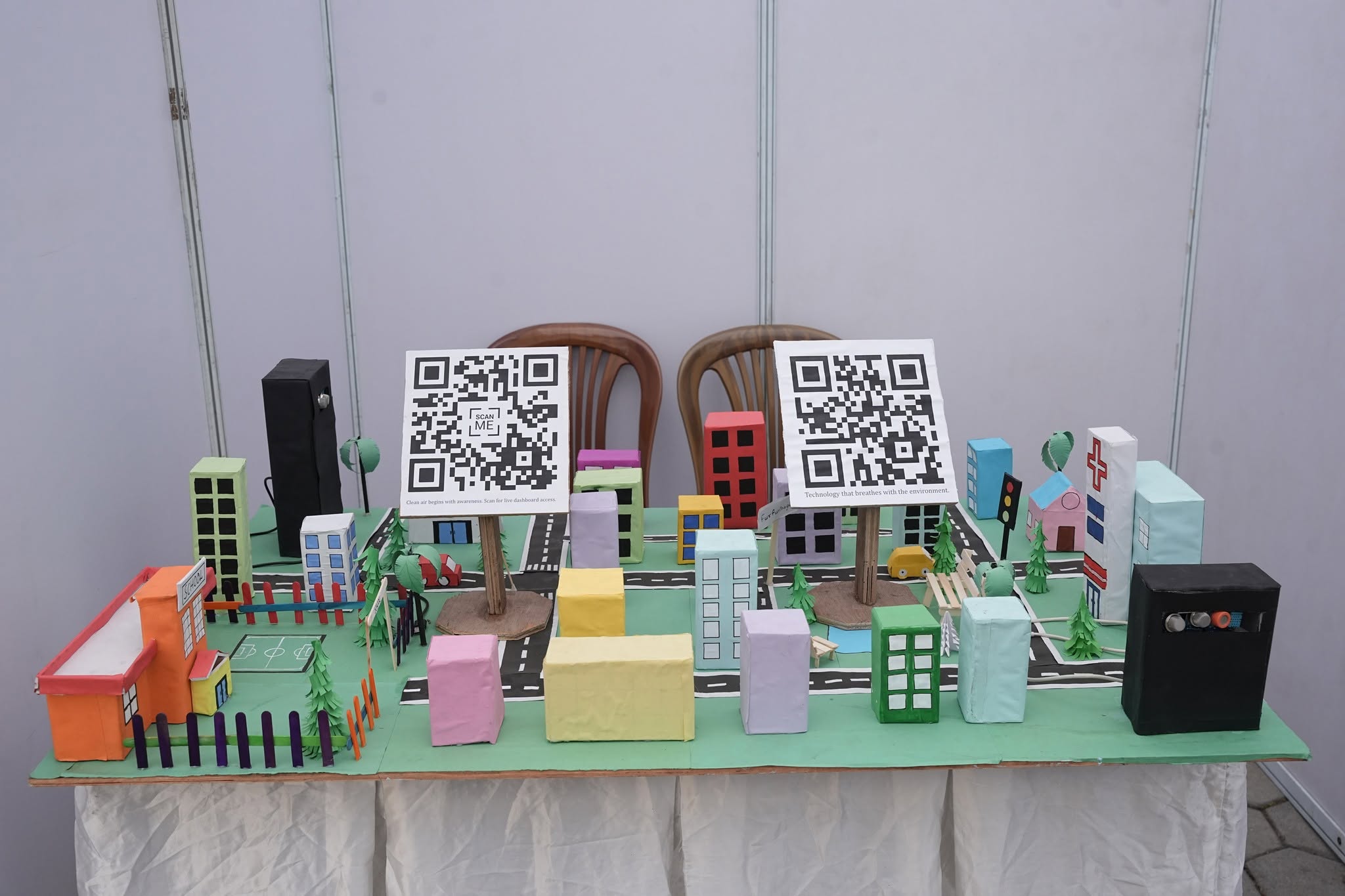
Collect data, create dashboards and design connected solutions.

Apply modelling, controls and mechatronics to complex working systems.
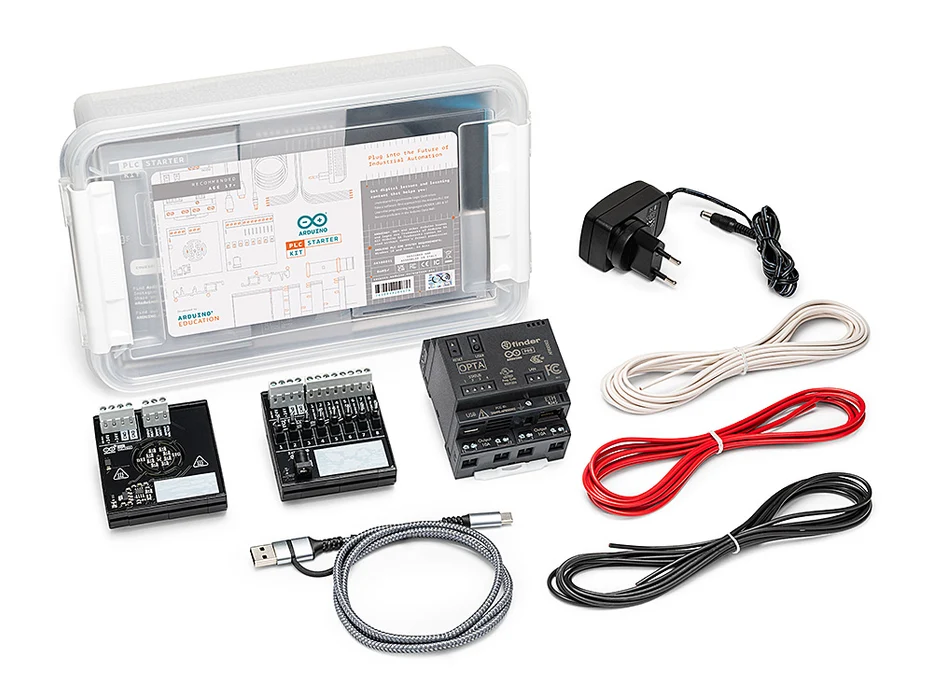
Introduce senior learners to programmable control, automation logic and industry-facing systems.
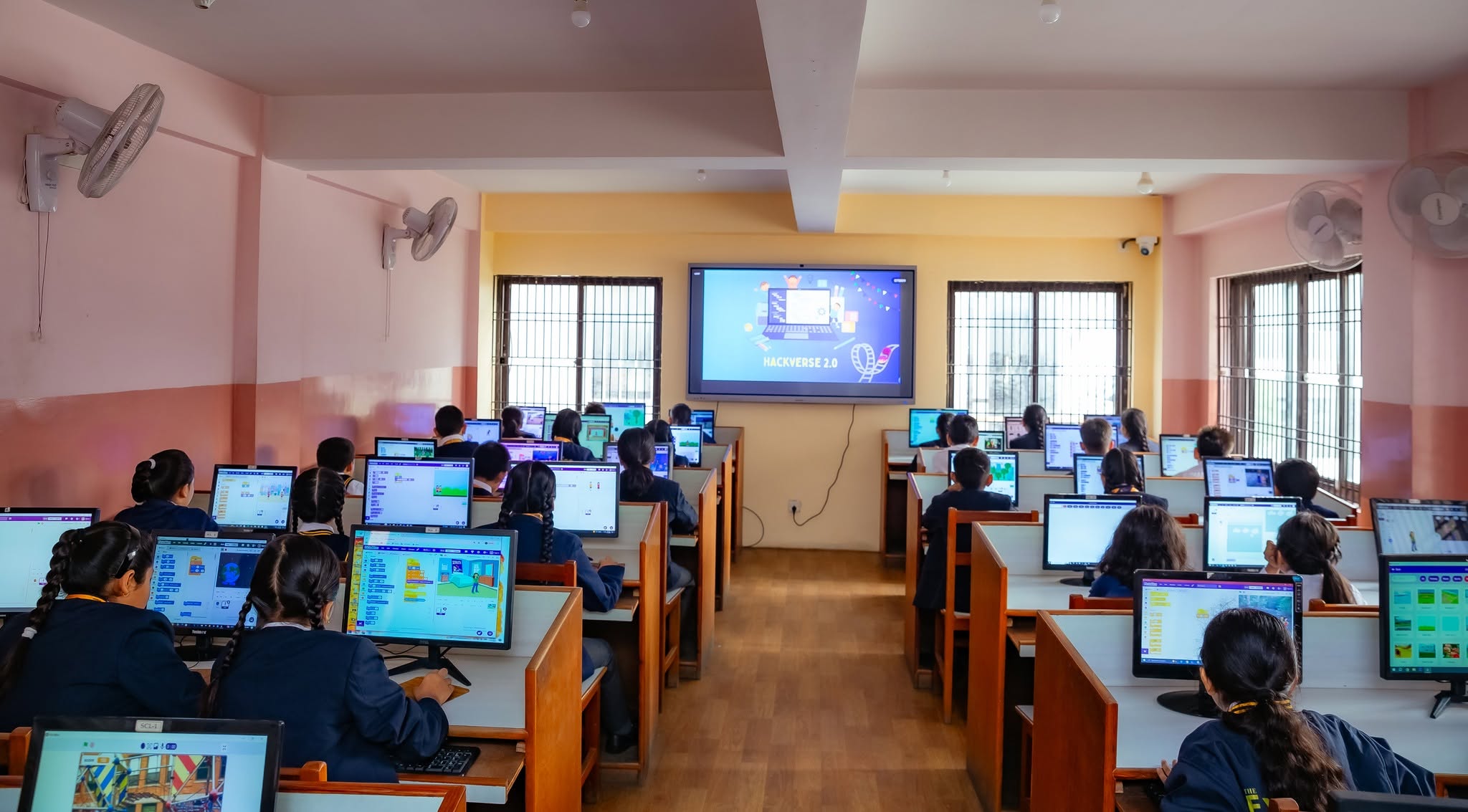
The room is planned around movement, collaboration, visibility, safety and fast access to tools—not rows of fixed computers.
Young Scientist develops a coordinated blue-and-orange visual system aligned with the school brand and Arduino learning journey.
“What do you notice?”, “What might happen?” and rotating mystery challenges.
Ask → Imagine → Plan → Build → Test → Improve → Share.
Boards, sensors, actuators, data flow and how code connects the physical world.
Diagnose, compare, isolate, test and document before asking for the answer.
Water, energy, health, climate, cities, agriculture and inclusive design themes.
Student prototypes, iteration stories, certificates and competition achievements.
Clear visual guidance for electricity, soldering, batteries, tools and shared responsibility.
How coding, electronics and design connect to science, engineering and entrepreneurship.
The implementation includes a structured teacher-readiness program so school educators can operate the lab, facilitate inquiry, maintain equipment and mentor projects.
Arduino boards, sensors, actuators, coding environments, cloud tools and troubleshooting.
How to ask productive questions, resist giving answers too early and guide evidence-based reasoning.
Inventory, charging, component control, safety routines, maintenance and session preparation.
Challenge framing, design reviews, testing protocols, documentation and showcase preparation.
Recommended delivery: 30-hour initial implementation training, supported lesson rehearsals, launch mentoring and periodic refresher sessions.
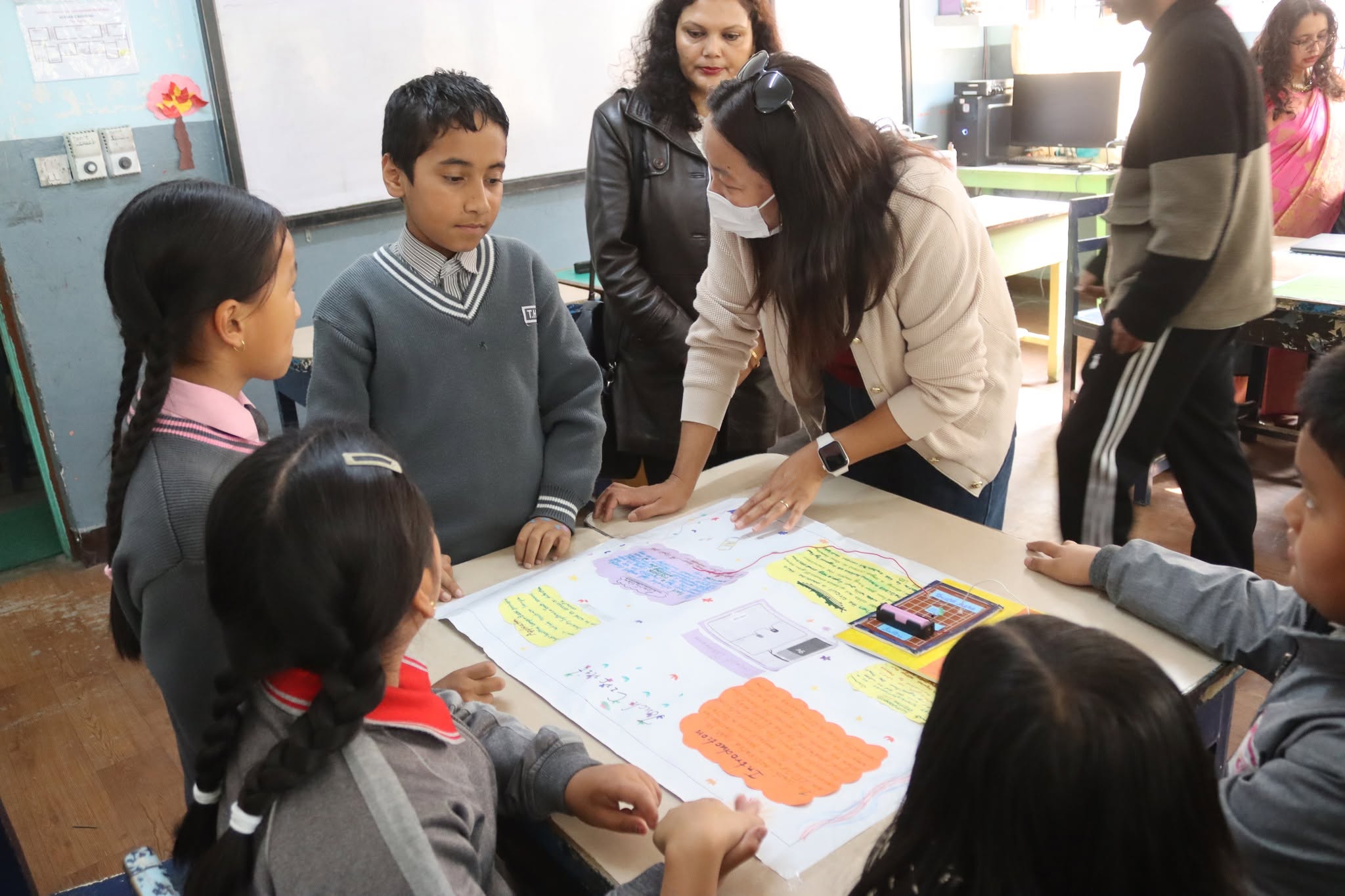
The lab can be implemented as a weekly curriculum, club, project block, competition pathway or blended school program.
Grade-wise session plans with concepts, challenges, projects, reflections and extension tasks.
Students document questions, predictions, diagrams, tests, failures, evidence and improvements.
Assessment of reasoning, collaboration, testing discipline, creativity and communication.
Photos, code, data, videos and presentations that show growth over time.
Internal demo days, parent showcases, innovation leagues and national participation pathways.
Arduino learning and certification opportunities for eligible teachers and students.
Dursikshya manages the complete setup so the school receives a functioning program—not only equipment delivery.
Goals, grades, timetable, room, teacher readiness and expected student capacity.
Room plan, kit mix, furniture, electrical points, storage, graphics and implementation scope.
Lab furnishing, equipment setup, labelling, safety systems, testing and handover.
Technical training, curriculum practice, lab operation and project facilitation.
Orientation challenge, baseline assessment, first build and parent/school communication.
Mentoring, maintenance, project reviews, exhibitions, competitions and annual upgrade planning.
Share a few details. The scope planner will propose a starting lab model, grade pathway, recommended zones, teacher plan and rollout approach.
Arduino Education describes Inspiration Labs as K–12 environments that can be customized to a school, supported with courses, certification opportunities, teacher training and professional development.
Request a school audit and receive a customized lab concept, kit plan, interior scope, teacher-training plan and implementation proposal.